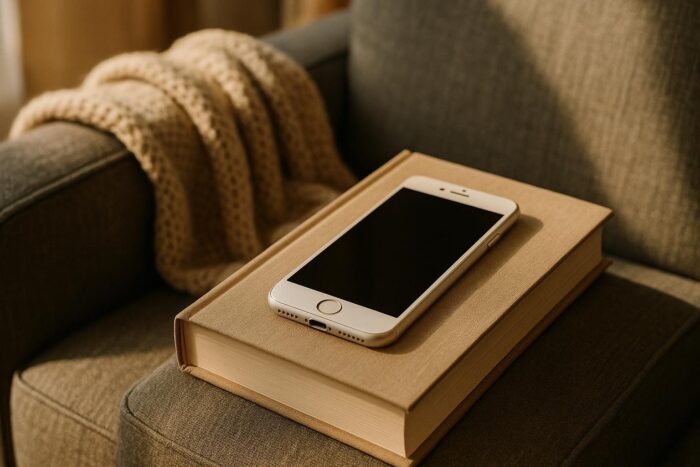
The iPhone SE 2020, officially the iPhone SE (2nd generation), brought back Apple’s affordable iPhone after a two-year gap. It paired the body of the iPhone 8 with the A13 Bionic from the iPhone 11, starting at $399. This iPhone SE 2020 review looks at its specs, what reviewers said at launch, and how it holds up in September 2026.
The verdict in brief: it was an excellent value in 2020, and it is still supported by iOS 27. But its small battery, lack of 5G, and single camera without Night mode make it the weakest choice among iPhones still getting updates. Buy it only at a low price, and check the battery first.
This article is a synthesis of Apple’s specifications and published reviews. We did not measure battery life or performance ourselves.
iPhone SE 2020 specs
Apple announced the phone on April 15, 2020, and released it on April 24, 2020. It was discontinued on March 8, 2022, when the third-generation model was announced.
| Spec | iPhone SE (2nd gen) |
|---|---|
| Launch price (US) | $399 (64GB), $449 (128GB), $549 (256GB) |
| Chip | A13 Bionic, 3GB RAM |
| Display | 4.7-inch LCD, 1334 x 750, True Tone, 625 nits typical max brightness |
| Rear camera | 12MP, f/1.8, optical image stabilization, 4K video up to 60 fps |
| Front camera | 7MP, f/2.2 |
| Battery | 1,821 mAh, up to 13 hours video playback (Apple rating) |
| Charging | Lightning, 18W fast charging, Qi wireless |
| Durability | IP67 |
| Weight | 148 grams |
| Colors | Black, white, (PRODUCT)RED |
| Software | Launched with iOS 13.4, runs iOS 27 |
What reviewers praised
The launch reviews were largely positive, and the reasons were consistent.
- Price and performance. The A13 Bionic was Apple’s fastest chip at the time. Tom’s Guide called the SE an outstanding phone for less than $400.
- Camera processing. The hardware was modest, but reviewers noted that the A13’s image processing produced good daylight shots, with Portrait mode and Smart HDR.
- Features rare at the price. IP67 water resistance, wireless charging, and eSIM support were not common on $399 phones in 2020.
- Size and weight. Its light frame and compact 4.7-inch format were frequently cited as strengths.
What reviewers criticized
- Battery life. The 1,821 mAh battery was the most common complaint. Android Authority, for example, pointed out how small it was, even with the efficient A13.
- Dated screen. A 4.7-inch LCD with thick bezels looked old in 2020 next to OLED iPhones.
- No Night mode or ultra-wide. With a single wide camera, low-light photos lacked detail and contrast.
- No headphone jack. Unlike the 2016 SE, the 2020 model dropped the 3.5mm port.
The iPhone SE 2020 in 2026
Six years on, the most important fact about this phone is software support. It is on Apple’s list of iPhones compatible with iOS 27, released in September 2026, a remarkable run for a phone that launched with iOS 13.4. Apple has not said when support will end.
Supported does not mean fully featured, though. The phone cannot run Apple Intelligence, it has no 5G, and its 3GB of RAM is the smallest among iPhones that run iOS 27. The original battery was already small, and a used unit will have lost capacity. Look at Settings, then Battery, then Battery Health before buying, and plan for a battery replacement if needed.
If you are comparing it with its successor, our iPhone SE review of the 2022 model explains what the A15 chip, 5G, and larger battery add in the same body.
The camera, in more detail
The rear camera is a single 12MP wide lens with an f/1.8 aperture and optical image stabilization. Apple’s spec sheet lists Portrait mode with advanced bokeh and Depth Control, plus next-generation Smart HDR. Video goes up to 4K at 60 frames per second.
What it lacks is equally clear: no ultra-wide lens, no optical zoom, and no Night mode. The 2022 model kept the same basic hardware but added Smart HDR 4, Photographic Styles, and Deep Fusion through its newer chip, so it is the better camera phone of the two.
Who should buy it today
The iPhone SE 2020 still makes sense for a few buyers:
- as a first phone for a child, where cost matters more than features,
- as a backup or secondary device,
- for someone who wants Touch ID and a small screen at the lowest possible price.
For everyone else, the 2022 model is the smarter used purchase, and the iPhone 17e is Apple’s current entry-level phone, with a 6.1-inch OLED screen, Face ID, USB-C, and Apple Intelligence. It launched at $599 in March 2026 and lists at $699 on Apple’s US store in September 2026. To see how all three SE generations and their replacements line up, our complete history of Apple’s budget line covers prices, specs, and software support.
Verdict
In 2020, the second-generation SE was one of the best values Apple had ever offered. In 2026, it is a capable but clearly aging phone. It still receives iOS updates, which keeps it relevant, but the battery and camera show their age. Pick one up only if the price is low and the battery is healthy.
iPhone SE 2020 FAQ
Is the iPhone SE 2020 still supported?
Yes. It is compatible with iOS 27, released in September 2026.
Does the iPhone SE 2020 have 5G?
No. 5G arrived with the third-generation iPhone SE in 2022.
How can I tell a 2020 SE from a 2022 SE?
Go to Settings, then General, then About. The model name shows iPhone SE (2nd generation) or (3rd generation). The colors also differ: black and white exist only on the 2020 model.